![[아임미미] [NEW 컬러] 아임 멀티 스틱 (블러셔 3컬러 단독론칭💖)](http://www.memebox.com/web/product/medium/202404/efa4b8c67b03aca51cbd871b24bd9abf.jpg)
![[아임미미] [NEW 컬러] 아임 멀티 스틱 (블러셔 3컬러 단독론칭💖)](http://www.memebox.com/web/product/tiny/202404/17737dbdae2ad5415e407df1b4efc812.jpg)
상품명 : [아임미미] [NEW 컬러] 아임 멀티 스틱 (블러셔 3컬러 단독론칭💖)


![[아임미미] 아임 멀티 스틱 듀얼](http://www.memebox.com/web/product/medium/202403/1804ac08fba627c344acc19d94cfc3fe.jpg)
![[아임미미] 아임 멀티 스틱 듀얼](http://www.memebox.com/web/product/tiny/202401/fbfd1def84d13d34c452907f8e1bc40e.jpg)
![[아임미미]아임 스틱 섀도 시머](http://www.memebox.com/web/product/medium/202403/0e4997b86f983af267b5823cb0072cc3.jpg)
![[아임미미]아임 스틱 섀도 시머](http://www.memebox.com/web/product/tiny/202401/ae041e33b2ee57cd85a76c13b046566a.jpg)
![[아임미미] 아임 멀티 스틱 브론저-쉐딩](http://www.memebox.com/web/product/medium/202403/525a76a3f7f42bd27c0ef6ad78c9356b.jpg)
![[아임미미] 아임 멀티 스틱 브론저-쉐딩](http://www.memebox.com/web/product/tiny/202401/1c37f65ec98125710487911d1d52d631.jpg)
![[아임미미] 원더 소프트 레이어 아이 팔레트](http://www.memebox.com/web/product/medium/202403/ad919069675ab7938887e9e43dac6be7.jpg)
![[아임미미] 원더 소프트 레이어 아이 팔레트](http://www.memebox.com/web/product/tiny/202311/72d8e62555341cdb82b0250f07e2bb45.jpg)
상품명 : [아임미미] 원더 소프트 레이어 아이 팔레트
![[포니이펙트] 프라임 프로텍트 슈퍼 모이스트 선 크림](http://www.memebox.com/web/product/medium/202401/20d2b05f06fc45f79c501d7770e3acee.jpg)
![[포니이펙트] 프라임 프로텍트 슈퍼 모이스트 선 크림](http://www.memebox.com/web/product/tiny/202401/96879c2ea2e3c0ab31f76c7a6f2ff1f0.jpg)
상품명 : [포니이펙트] 프라임 프로텍트 슈퍼 모이스트 선 크림
![[포니이펙트] 커버스테이 쿠션 파운데이션 프로](http://www.memebox.com/web/product/medium/202401/daa9ef8a9c34bb5ec50a51023bb08b25.jpg)
![[포니이펙트] 커버스테이 쿠션 파운데이션 프로](http://www.memebox.com/web/product/tiny/202401/67265d575507341825f20f0cb9c5e20a.jpg)
상품명 : [포니이펙트] 커버스테이 쿠션 파운데이션 프로
![[누니] 데일리 턴 오버 필 패드](http://www.memebox.com/web/product/medium/202401/a3b20a264cc3bee6a1636d01192fac87.jpg)
![[누니] 데일리 턴 오버 필 패드](http://www.memebox.com/web/product/tiny/202401/9ba2e967dad618fd9abbe71041bd78a5.jpg)
![[아임미미] 원더 래스팅 쿠션 시리즈](http://www.memebox.com/web/product/medium/202403/7440d5468feed80a6b602355981aceac.jpg)
![[아임미미] 원더 래스팅 쿠션 시리즈](http://www.memebox.com/web/product/tiny/202308/4c1728e751b0b3ff14111f86ed03b4ea.jpg)
![[아임미미] 아임 애프터눈 티 블러셔 팔레트](http://www.memebox.com/web/product/medium/202308/c92559790799fc328ffd11ea7e418e2c.jpg)
![[아임미미] 아임 애프터눈 티 블러셔 팔레트](http://www.memebox.com/web/product/tiny/202308/97e948829ab7d770a69f82455b285871.jpg)
상품명 : [아임미미] 아임 애프터눈 티 블러셔 팔레트
![[포니이펙트] 커버스테이 쿠션 파운데이션 EX](http://www.memebox.com/web/product/medium/202403/404cc03396364e2581fd94665d8c7b44.jpg)
![[포니이펙트] 커버스테이 쿠션 파운데이션 EX](http://www.memebox.com/web/product/tiny/202401/a82b211a5b2bd01dd8784519a03edd89.jpg)
상품명 : [포니이펙트] 커버스테이 쿠션 파운데이션 EX
![[아임미미] 원더 본딩 핏 리퀴드 컨실러](http://www.memebox.com/web/product/medium/202403/8f8de34f973fa81f7b16f8b794128f75.jpg)
![[아임미미] 원더 본딩 핏 리퀴드 컨실러](http://www.memebox.com/web/product/tiny/202403/a5e5cf39bf6e50481992550251126524.jpg)

![[포니이펙트] 하이퍼 프로텍션 쿠션 파운데이션](http://www.memebox.com/web/product/medium/202308/e73a8937ebca575c87ef282dfdb3af37.jpg)
![[포니이펙트] 하이퍼 프로텍션 쿠션 파운데이션](http://www.memebox.com/web/product/tiny/202308/400488ed4bd743aefb3be2a721c75fa2.jpg)
상품명 : [포니이펙트] 하이퍼 프로텍션 쿠션 파운데이션
![[아임미미] 컬러 키링 워터 젤 틴트](http://www.memebox.com/web/product/medium/202308/430f64eb031fb39ac7737341091965dc.jpg)
![[아임미미] 컬러 키링 워터 젤 틴트](http://www.memebox.com/web/product/tiny/202308/6468ba6dbfd2c1272a9802183d772ca2.jpg)
![[아임미미] 컬러 키링 벨벳 틴트](http://www.memebox.com/web/product/medium/202308/c5410185c005494a77adb885f836507f.jpg)
![[아임미미] 컬러 키링 벨벳 틴트](http://www.memebox.com/web/product/tiny/202308/420ae7c09ecfe2da2a48c8d47b4e1e0b.jpg)
![[아임미미] 펩밤](http://www.memebox.com/web/product/medium/202308/61b8fdd799fddee0638bf07892dd52e2.jpg)
![[아임미미] 펩밤](http://www.memebox.com/web/product/tiny/202308/a476bbcaf731ea50081c3a3fe9568cb2.jpg)
![[누니]애플 립 오일 시리즈 (9종 중 택1)](http://www.memebox.com/web/product/medium/202311/cd2dcb600c81bed836600e826e3de3f4.jpg)
![[누니]애플 립 오일 시리즈 (9종 중 택1)](http://www.memebox.com/web/product/tiny/202311/6191553496d4c5707567171f95fae321.jpg)
상품명 : [누니]애플 립 오일 시리즈 (9종 중 택1)
![[아임미미] 아임 히든 카드 팔레트](http://www.memebox.com/web/product/medium/202308/fcd201df924c3508341419534dcbe5ef.jpg)
![[아임미미] 아임 히든 카드 팔레트](http://www.memebox.com/web/product/tiny/202403/a40902f9ae68b525227f615aab091251.jpg)
상품명 : [아임미미] 원더 소프트 레이어 아이 팔레트
![[아임미미] 래쉬 푸시 마스카라 픽서](http://www.memebox.com/web/product/medium/202310/2ffb7306e7712c6f964d3b7379362394.jpg)
![[아임미미] 래쉬 푸시 마스카라 픽서](http://www.memebox.com/web/product/tiny/202310/ec96d78c539f21c09fdcf0f436a80bd6.jpg)
![[아임미미]멀티큐브-밀크폼 시리즈](http://www.memebox.com/web/product/medium/202308/ada1a3207142513ced188b074756fab1.jpg)
![[아임미미]멀티큐브-밀크폼 시리즈](http://www.memebox.com/web/product/tiny/202308/2d420843e650b14668ecd43e517ff7a3.jpg)
![[아임미미] 필터 온 젤 라이너](http://www.memebox.com/web/product/medium/202308/fc80dbba108a91a871c88d10a4e4ca2e.jpg)
![[아임미미] 필터 온 젤 라이너](http://www.memebox.com/web/product/tiny/202308/ecc270fa746dc1f522d339a96c7a56a5.jpg)
![[아이듀케어]롤 위드 티트리-스팟 롤러](http://www.memebox.com/web/product/medium/202308/8dbbac9d8bdac0fb1560046040012075.jpg)
![[아이듀케어]롤 위드 티트리-스팟 롤러](http://www.memebox.com/web/product/tiny/202308/1abbe2092375a060fd1551b5eec4bdcd.jpg)
![[누니]베리어-온 페이스 모이스처라이저](http://www.memebox.com/web/product/medium/202308/9e781381afd5e5f5baa941cf1f8120fc.jpg)
![[누니]베리어-온 페이스 모이스처라이저](http://www.memebox.com/web/product/tiny/202308/e5744513c0dae19004b08e4b350ba429.jpg)
![[아이듀케어]브링 온 더 베리어-크림](http://www.memebox.com/web/product/medium/202308/0412991d49001c36b175883f9c691147.jpg)
![[아이듀케어]브링 온 더 베리어-크림](http://www.memebox.com/web/product/tiny/202308/036bf5fde613f295cb60626d40cab9c6.jpg)
![[아이듀케어]브라이트 사이드 업-세럼](http://www.memebox.com/web/product/medium/202308/1f248ca1ce670906978c473cf7323b15.jpg)
![[아이듀케어]브라이트 사이드 업-세럼](http://www.memebox.com/web/product/tiny/202308/2a39a224939e477446116883a6fffe3c.jpg)
![[아이듀케어]탭 시크릿-헤어 드라이 파우더](http://www.memebox.com/web/product/medium/202308/8cea2d4ab0f38b233a70e5c44dc3dceb.jpg)
![[아이듀케어]탭 시크릿-헤어 드라이 파우더](http://www.memebox.com/web/product/tiny/202308/887afb5aa8fc7b6712f8e38858723798.jpg)
![[아이듀케어]겟 투 더 루트-두피 스크럽](http://www.memebox.com/web/product/medium/202308/a935833b01426134002594a85252ac0f.jpg)
![[아이듀케어]겟 투 더 루트-두피 스크럽](http://www.memebox.com/web/product/tiny/202308/3c83f93e34cc2ce329b22832ec43f6fc.jpg)
![[아임미미]패딩 스퀘어 파우치](http://www.memebox.com/web/product/medium/202401/ca6815a1364a81da6bb967b6676f43a5.jpg)
![[아임미미]패딩 스퀘어 파우치](http://www.memebox.com/web/product/tiny/202401/129ebfef6eb2c4695564bb242be51d67.jpg)
![[포니이펙트] 스무스 도우 퍼프 2개입](http://www.memebox.com/web/product/medium/202308/f5ab6d293c6307470c36055a18cbc291.jpg)
![[포니이펙트] 스무스 도우 퍼프 2개입](http://www.memebox.com/web/product/tiny/202308/7bd7a02b79a6036712afa8f42a50061d.jpg)
![[카자]레츠 고 백-메이크업 백](http://www.memebox.com/web/product/medium/202308/74d1079b5969db33f397304f7c654a74.jpg)
![[카자]레츠 고 백-메이크업 백](http://www.memebox.com/web/product/tiny/202308/3919bcb7d8f2b8570acd9a67a0623980.jpg)
![[아임미미] 아임 쿠션 퍼프 5개입](http://www.memebox.com/web/product/medium/202308/87c88fcae0dd3efe9cfc849449b2b6ae.jpg)
![[아임미미] 아임 쿠션 퍼프 5개입](http://www.memebox.com/web/product/tiny/202308/f0f91afb0f51732cb59ebf29f57cae31.jpg)
![[포니이펙트] 에어리 핏 도우 퍼프 1개입](http://www.memebox.com/web/product/medium/202311/3c60c960ec9cd6431a22d174bf4cde9a.jpg)
![[포니이펙트] 에어리 핏 도우 퍼프 1개입](http://www.memebox.com/web/product/tiny/202311/9eb5083b11d0f369988d3c42b6630f8b.jpg)
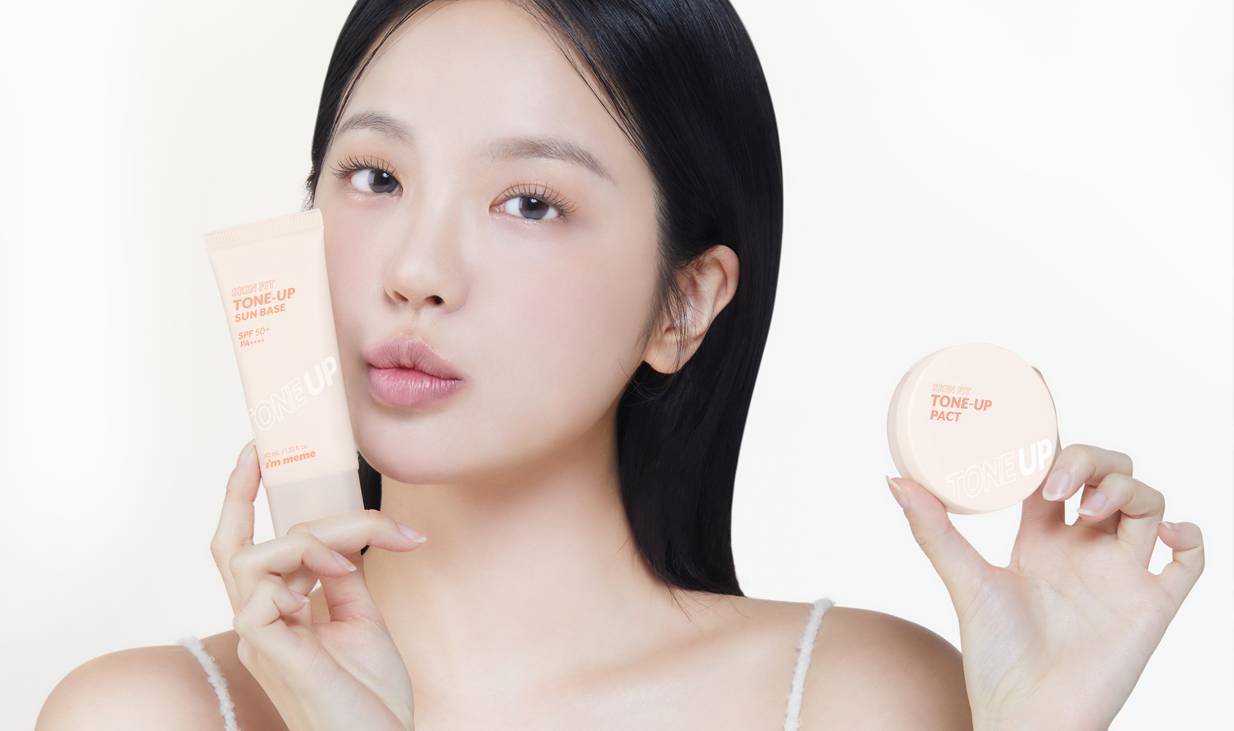

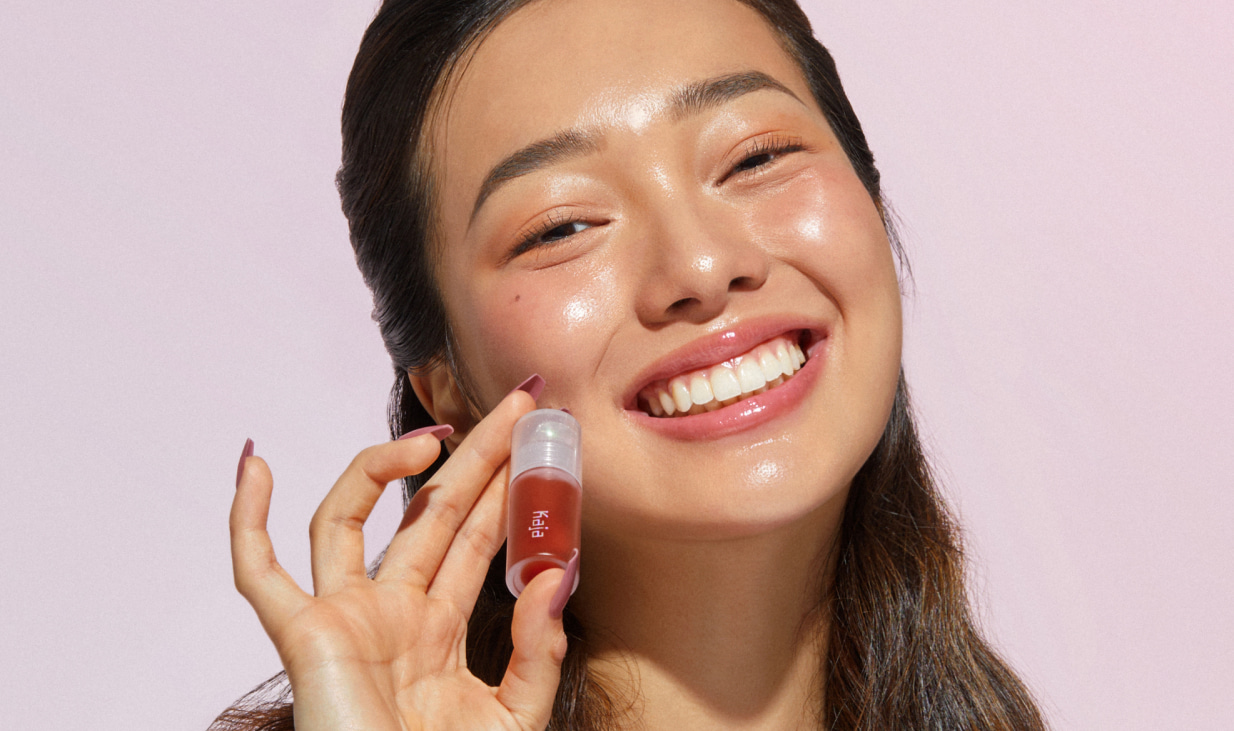
언제 어디서나 당당한 나를 표현해봐
상품명 : [아임미미] [NEW 컬러] 아임 멀티 스틱 (블러셔 3컬러 단독론칭💖)
![[아임미미] 톤업 선베이스 모음전 ✨](http://www.memebox.com/web/product/medium/202404/464e6f6279dc774db8e5ac3ca456cb4f.png)
![[아임미미] 톤업 선베이스 모음전 ✨](http://www.memebox.com/web/product/tiny/202402/66e2e55117dc17b6dcfef7e9f70128e3.jpg)
![[아임미미] 스킨 핏 톤업 팩트](http://www.memebox.com/web/product/medium/202402/4b52843de8c74e8f2c8eab8c9f07e5fd.jpg)
![[아임미미] 스킨 핏 톤업 팩트](http://www.memebox.com/web/product/tiny/202402/03a3c974b7dd5eef953b250bbf5451bd.jpg)
아티스트의 터치, 드라마틱한 메이크오버
![[포니이펙트] 스테이 핏 선 프라이머](http://www.memebox.com/web/product/medium/202404/428e86e05bf7a09441ca7fb5fbaebab6.jpg)
![[포니이펙트] 스테이 핏 선 프라이머](http://www.memebox.com/web/product/tiny/202404/8d1861fb74bce035732c22042acf722a.jpg)
상품명 : [포니이펙트] 커버스테이 쿠션 파운데이션 프로
![[포니이펙트] 줌인 리퀴드 컨실러](http://www.memebox.com/web/product/medium/202310/89beadfabed8dab28f52151629f16c1f.jpg)
![[포니이펙트] 줌인 리퀴드 컨실러](http://www.memebox.com/web/product/tiny/202310/89151b3bb1ada8464358c139e5d676e2.jpg)
![[포니이펙트] 프라임 프로텍트 바이올렛 선 크림](http://www.memebox.com/web/product/medium/202308/a58cb01e6ff2f8b0d9e9044b93329236.jpg)
![[포니이펙트] 프라임 프로텍트 바이올렛 선 크림](http://www.memebox.com/web/product/tiny/202308/c60474dfd053b0e391716da19dadbb58.jpg)
상품명 : [포니이펙트] 프라임 프로텍트 바이올렛 선 크림
가장 본질적인 스킨케어
상품명 : [누니]애플 립 오일 시리즈 (9종 중 택1)
![[누니]눈꽃 휘핑 클렌저](http://www.memebox.com/web/product/medium/202308/7ddd19806bf5877361a1f3c616df0f1e.jpg)
![[누니]눈꽃 휘핑 클렌저](http://www.memebox.com/web/product/tiny/202308/e8af5c4310ed4ee1df7e8e44ec2bbe57.jpg)
세포라가 선택한 K-BEAUTY
![[카자]비바 샤인-하이라이터](http://www.memebox.com/web/product/medium/202308/2901bcea75fc6283b2176cd811486bc7.jpg)
![[카자]비바 샤인-하이라이터](http://www.memebox.com/web/product/tiny/202308/aa74e12344f8a4b81cd76596d6d99d32.jpg)
일상 속 즐거운 순간들과 스킨케어의 만남
![[아이듀케어]핫 애즈 시트 카렌듈라 플라워-팩/마스크](http://www.memebox.com/web/product/medium/202308/62702c15e19a612ca54e5e35797748af.jpg)
![[아이듀케어]핫 애즈 시트 카렌듈라 플라워-팩/마스크](http://www.memebox.com/web/product/tiny/202308/f2b9532c8ea956b41ce0c9b0dc97d422.jpg)
상품명 : [아이듀케어]핫 애즈 시트 카렌듈라 플라워-팩/마스크
![[아이듀케어] 소프트 핸디 타올](http://www.memebox.com/web/product/medium/202308/bd62a81397bd36b6860d73a17dd458cc.jpg)
![[아이듀케어] 소프트 핸디 타올](http://www.memebox.com/web/product/tiny/202308/36288fdba4cb76d69ff3a42fad55ef3a.jpg)
![[아이듀케어] 퍼펙트 스파 페어-헤드밴드/스크런치](http://www.memebox.com/web/product/medium/202308/df6f6c6e725b518da21c0e7b214935bd.jpg)
![[아이듀케어] 퍼펙트 스파 페어-헤드밴드/스크런치](http://www.memebox.com/web/product/tiny/202308/7b586013977ce2993269cb3fa9324de5.jpg)
상품명 : [아이듀케어] 퍼펙트 스파 페어-헤드밴드/스크런치